How the S.M.I.L.E.S. project helped a mother nurture her underweight baby to health
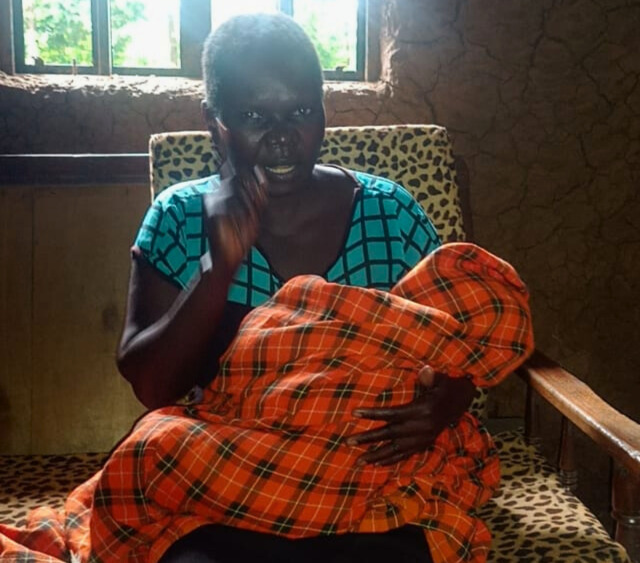
Meet Maximillah Wanga, a 32-year-old mother of five living in the small rural village in Kenya.
When she discovered she was pregnant again, her life felt like it was falling apart. Wondering how she could possibly look after another infant, she sank into denial and depression. With a limited income and no stable job, she and her husband depend entirely on their small piece of farmland for food and income. “Our land is small and can’t produce much,” she explained. “Sometimes we don’t even have enough to eat.”
During pregnancy, she often skipped meals due to lack of appetite and food scarcity. She missed several antenatal visits out of fear of being judged by the community. Her health worsened, and she later developed high blood pressure.
Her baby was delivered at only 1.95 kilograms — severely underweight. The baby was weak and frequently cried. “I used to cry too when my baby cried because I didn’t have enough milk,” she added.
Project Intervention
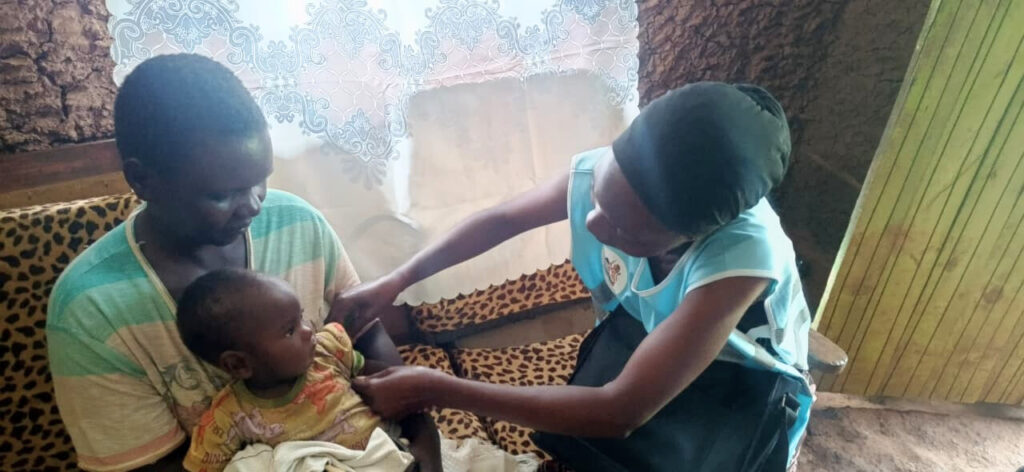
The turning point came when Beatrice, a Community Health Promoter with the S.M.I.L.E.S. project, a maternal, child and newborn health initiative partnered by HPIC, ADS Western and ADS Kenya, learned about Maximillah’s condition during a household visit. Beatrice began visiting her regularly, offering compassion and encouragement.
“At first, I didn’t want to talk, said Maximillah. “I feared being judged. But Beatrice listened to me patiently and assured me I wasn’t alone,”
Through consistent visits, Beatrice explained the importance of proper nutrition, exclusive breastfeeding, hygiene, and regular postnatal checkups. She also encouraged Maximillah to join a mother-to-mother support group at the nearby health facility, where she found comfort and shared experiences with other mothers.
With continued support, Maximillah began breastfeeding exclusively, improving her diet, and keeping her baby warm.
The S.M.I.L.E.S. Project also monitored the baby’s progress and encouraged her to attend all clinic visits.
Outcome
Within a few months, Maximillah’s baby’s weight increased steadily — from 1.9 kg at birth to 6.4 kg within 3 months.
By October 2025, Maximillah’s baby’s MUAC reading was 14.5 cm, indicating healthy growth and development.
“I once felt lost and hopeless,” added Maximillah. “But Beatrice helped me realize that motherhood is a journey, and I can still do it right. I’ve learned to stay calm during family conflicts and care for my baby with love. Getting pregnant when not ready is not the end of the world — you just must accept and take care of your child.Thank you, ADS Western, ADS Kenya and the SMILES Project. My baby is healthy, and I have hope again.”
Maximillah’s story reflects the S.M.I.L.E.S. Project’s goal of improving maternal, newborn, and child health outcomes through consistent community follow-up, counseling, and health education.
Her journey shows how compassionate engagement by Community Health Promoters empowers mothers to overcome stigma, improve child nutrition, and embrace safe health-seeking practices.
About S.M.I.L.E.S.
The S.M.I.L.E.S. project aims to improve maternal, newborn, and child health outcomes across 30 communities in Kakamega County, Western Kenya. The region faces high maternal and neonatal mortality rates, high rates of teenage pregnancy, and significant gaps in access to skilled care, essential medicines, and emergency obstetric services.
S.M.I.L.E.S. strengthens both facility-level maternal, newborn and child services and community-level health systems by addressing barriers to care, delayed referrals, and cultural factors influencing service uptake. The project supports two health facilities and three community health units, focusing on capacity-building, medical supplies, health education, and improved referral pathway.
Testimonial submitted by ADS Western