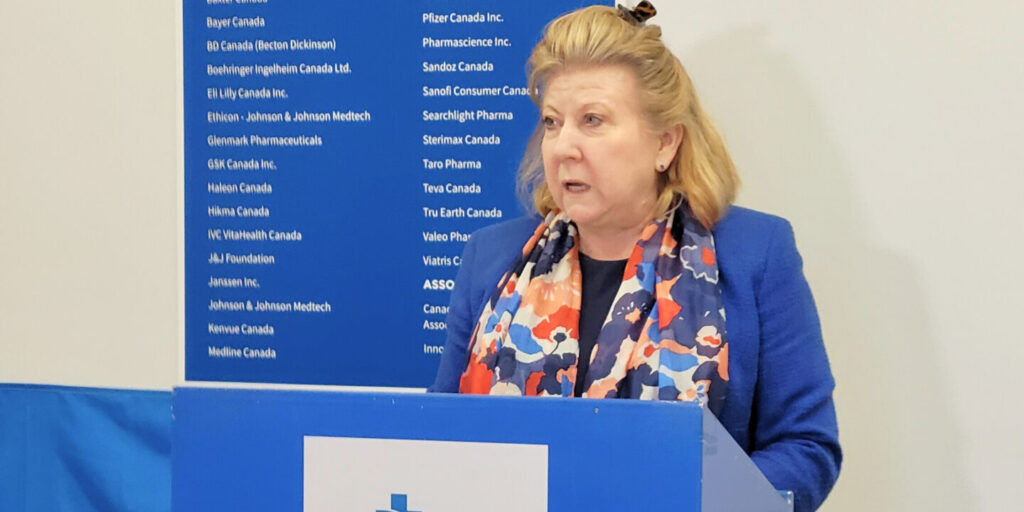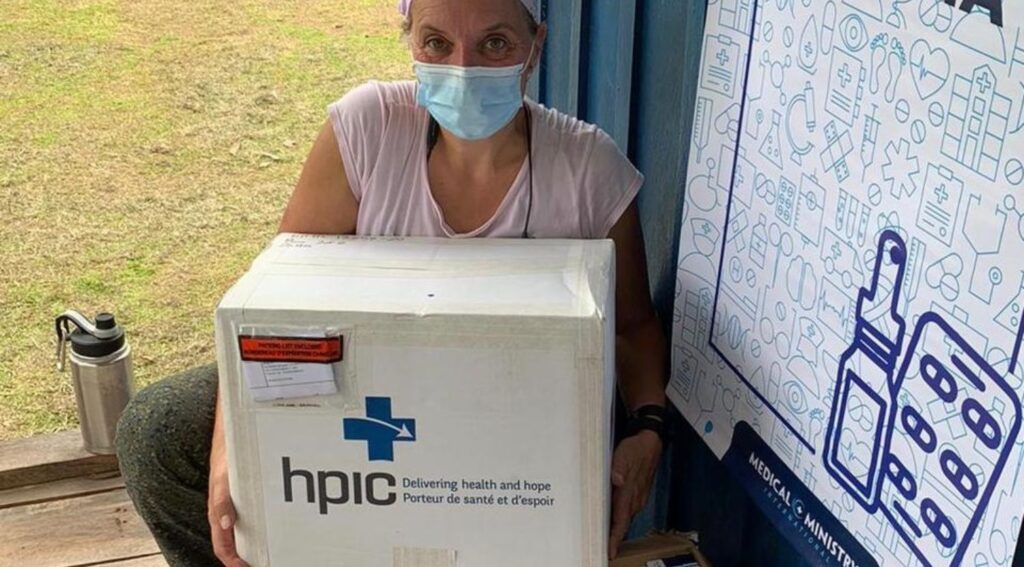
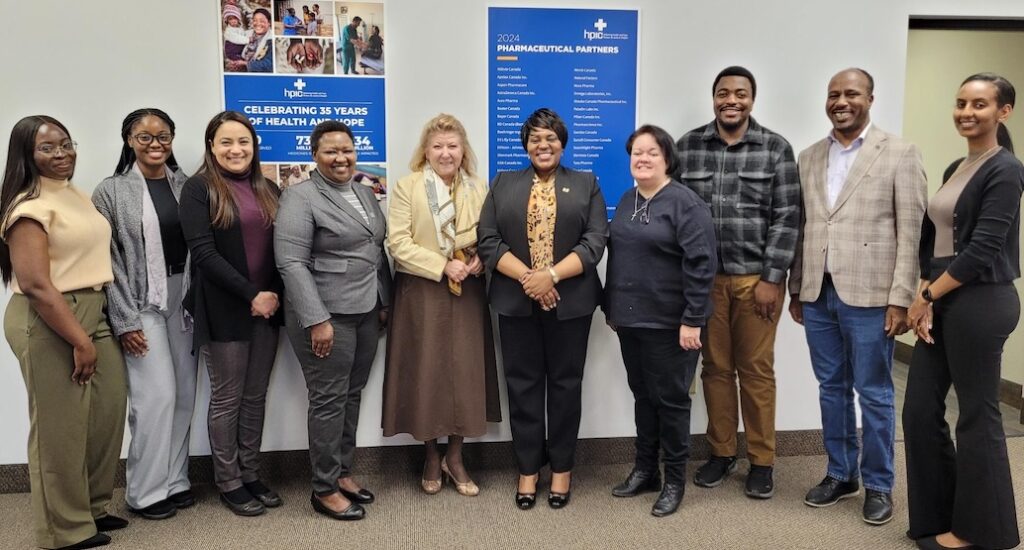
Last month Health Partners International Canada had the honour of hosting the High Commissioner from Kenya to Canada at our Oakville Distribution Centre.
It was a wonderful opportunity to give her Excellency a behind-the-scenes look at the many processes involved in delivering vital medicines to vulnerable communities around the world.
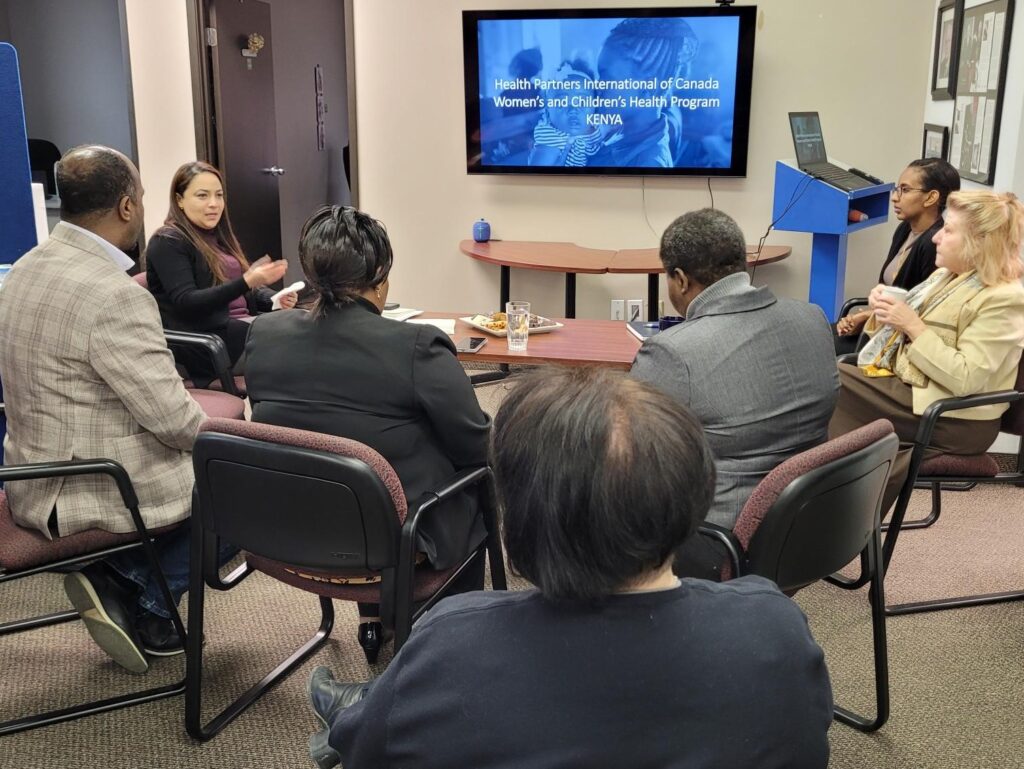
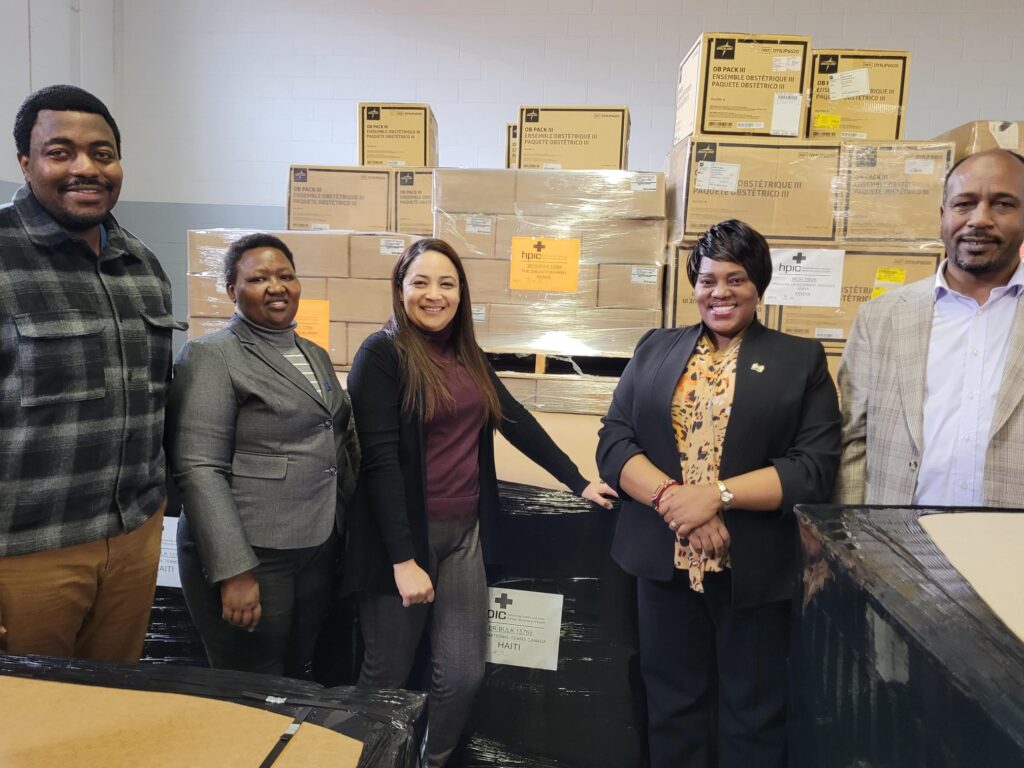
We provided a brief overview of the scope and scale of our decade-long engagement in Kenya particularly in addressing key challenges in maternal and child health including:
- Support for 26 community health facilities with over $ 2.2 million worth of medicines and medical supplies.
- Training of over 175 healthcare workers and community leaders in maternal and child health.
- Over 80,000 individuals reached annually through health education, awareness and outreach activities.
- Over 80,000 Kenyans each year are impacted through health education, awareness and outreach activities led by HPIC
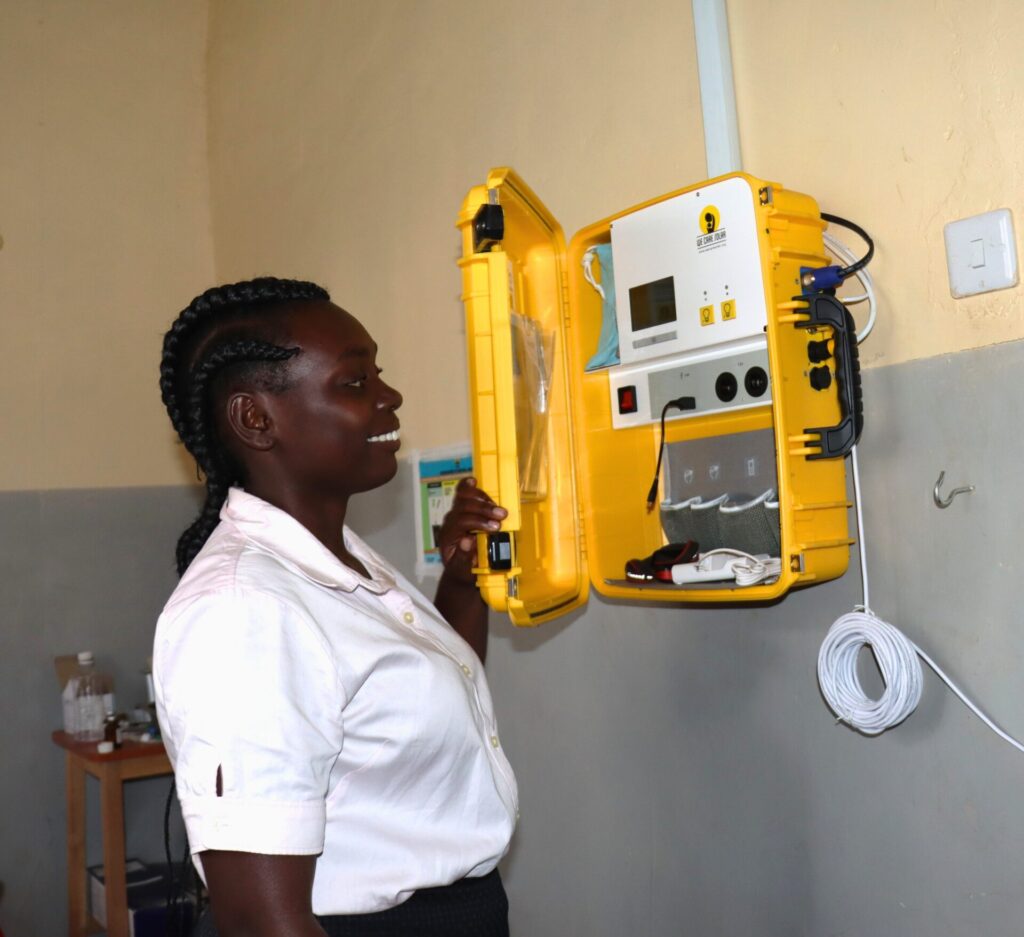
Solar Suitcases
Implemented in Western Kenya, the goal was to strengthen obstetric and newborn care by addressing the lack of reliable electricity in health facilities. HPIC installed off-grid solar suitcase systems in regions to ensure continuous power for lighting and emergency care.
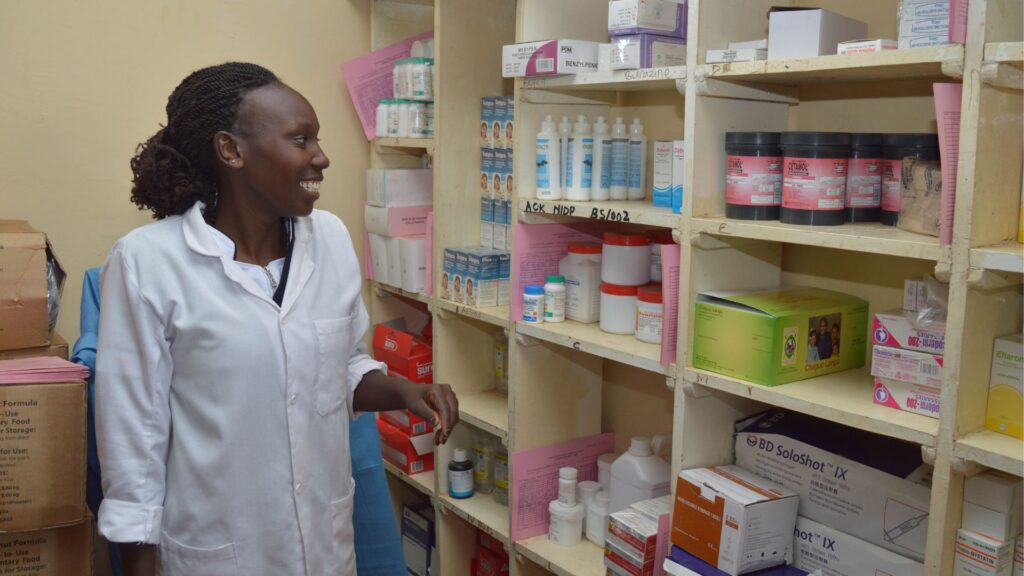
Pamoja
Pamoja aims to improve the health of pregnant women, mothers and children in some of the most vulnerable communities in Kenya. Key results include:
- Health care workers trained on maternal and child health
- Health facilities supported with donated medicines and medical supplies
- Training provided to health facilities in pharmaceutical management
S.M.I.L.E.S
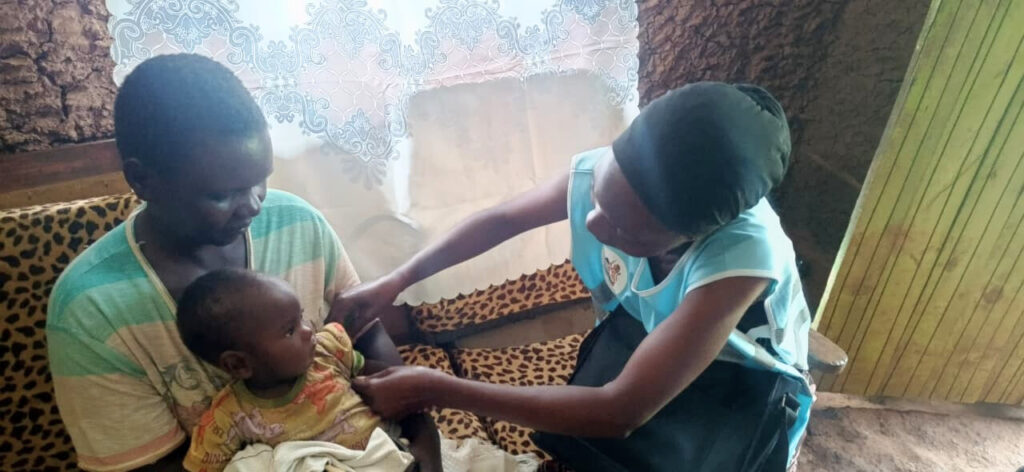
The Strengthening Maternal and Infant Health through Local Engagement and Support project aims to improve maternal, newborn, and child health outcomes across 30 communities in Western Kenya. The region faces many challenges including high maternal and neonatal mortality and gaps in access to skilled care, essential medicines, and emergency obstetric services. The program is:
- Training health workers, CHVs, and CHEWs on MNCH service delivery to build system capacity
- Supporting health facilities with donated medicines and medical supplies
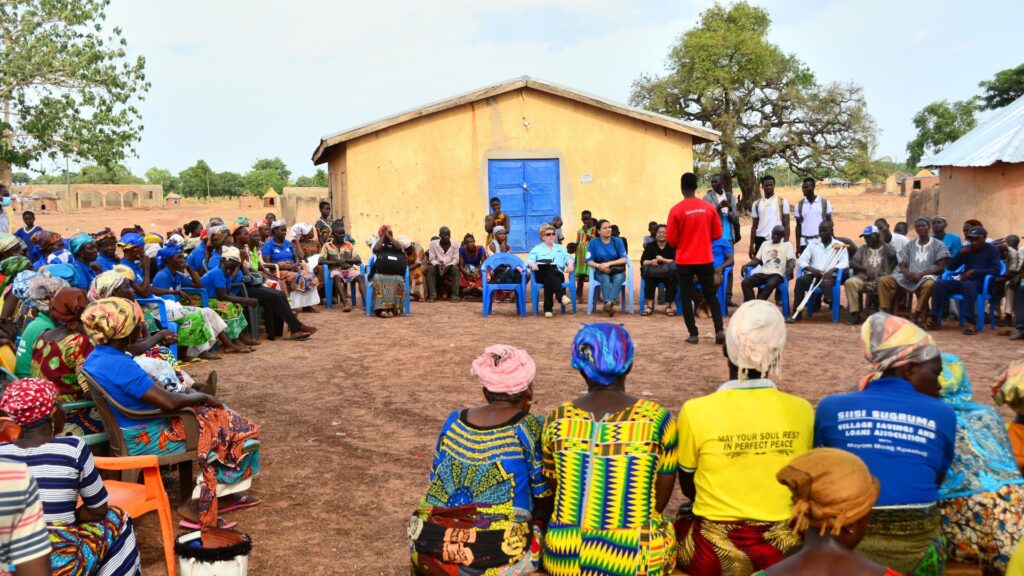
- Conduct community outreach, household visits, and behaviour change activities
- Strengthening community leadership and developing local health improvement plans